Two Families at War
- David Lowther
- January 9, 2026
- 3 mins
- History World War Two
- blitz crime fiction london refugees two families at war
TWO FAMILIES AT WAR
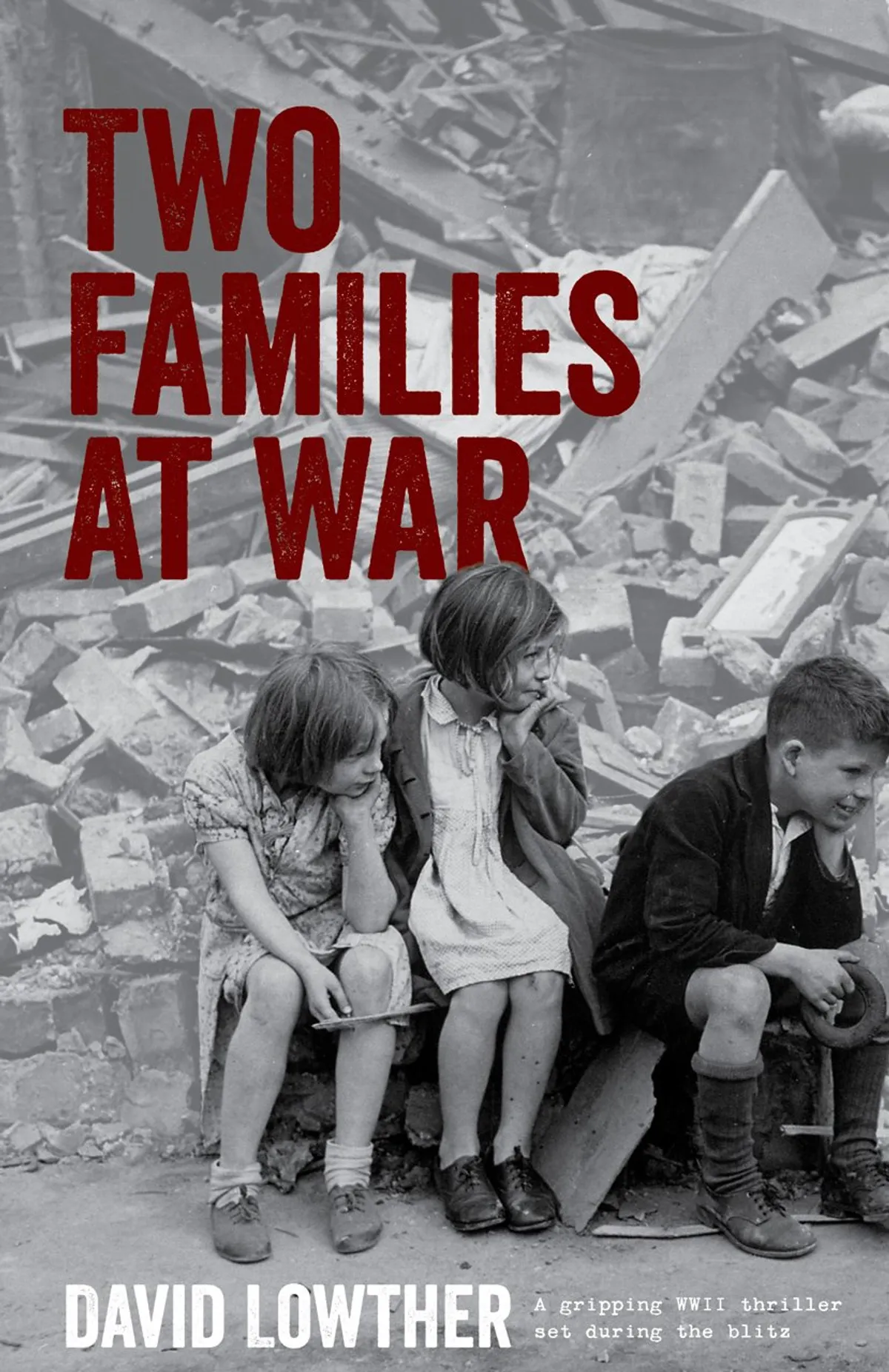
In my most recent novel, Ordinary Heroes, the opening sections are set in the East End during the Blitz of September 1940 to May 1941. Two Families at War takes a different angle on the same period: crime in the blackout and the Blitz, seen through the lives of two very different North London families.
A Refugee Family in North London
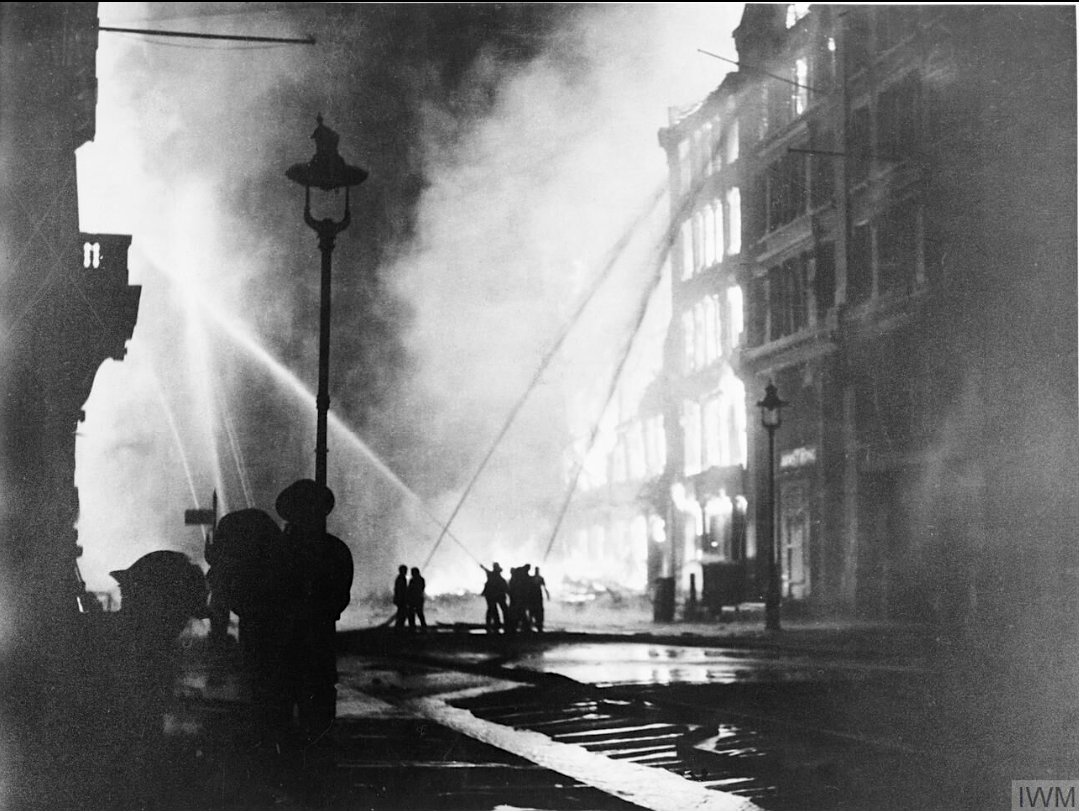
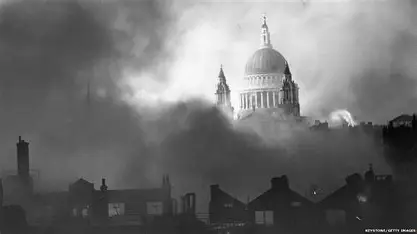
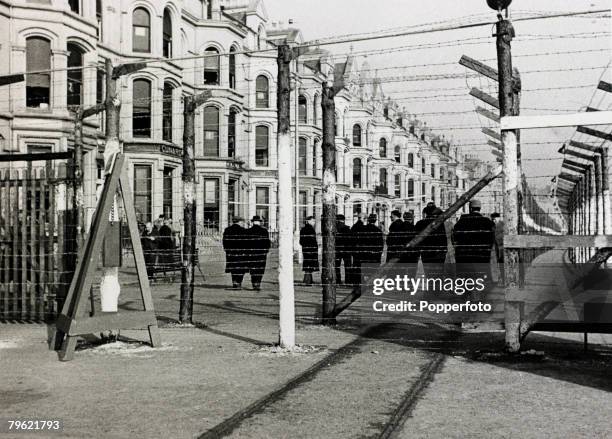
One family is Jewish: mother, father, and teenage son. They escape persecution in Germany before war breaks out in September 1939, travelling on the SS St Louis from Hamburg to Cuba. They eventually settle in North London, only to be swept up in the panic of summer 1940 and interned as enemy aliens on the Isle of Man. By the end of the year common sense prevails, and they are released in time to witness the second great fire of London on 29 December 1940, which provides the novel’s climax.
The Crime Family Next Door
The other family is a group of petty criminals living close to the refugees. First the blackout, then the Blitz, become opportunities for theft and violence. Their activities escalate with terrible consequences, and the two families are drawn into a collision neither can avoid.
One of the main characters is Richard Walker, whose pre-war business links in Germany connect Two Families at War to my first novel, The Blue Pencil. I have always aimed to weave fictional lives into real events, and to be as historically accurate as possible.
Research and Real Places
Writing the book involved six months of intensive research: literature searches, newspaper archives, and newsreel film, as well as visits to Berlin and the Isle of Man. The museum in Douglas holds a superb collection of internment memorabilia, including material from the Hutchinson Camp.
I received help from the British Newspaper Library (now part of the British Library at St Pancras), the London Transport Museum, and the Imperial War Museum. I was also fortunate to speak to a handful of survivors of the North London Blitz. One particularly useful source was Bomb Damage Maps 1939-1945, published by the London County Council.
Afterword
Readers have told me how much they learned about life in the Blitz from Two Families at War, and how relieved they felt not to have lived through those terrible times themselves. That is exactly the response I hoped for: a story that grips while it illuminates.
Two Families at War is published by Sacristy Press and is available in paperback and ebook: Sacristy Press and Amazon.