Appeasement
- David Lowther
- November 3, 2026
- 7 mins
- History World War Two
- appeasement cliveden neville chamberlain newsreels the blue pencil
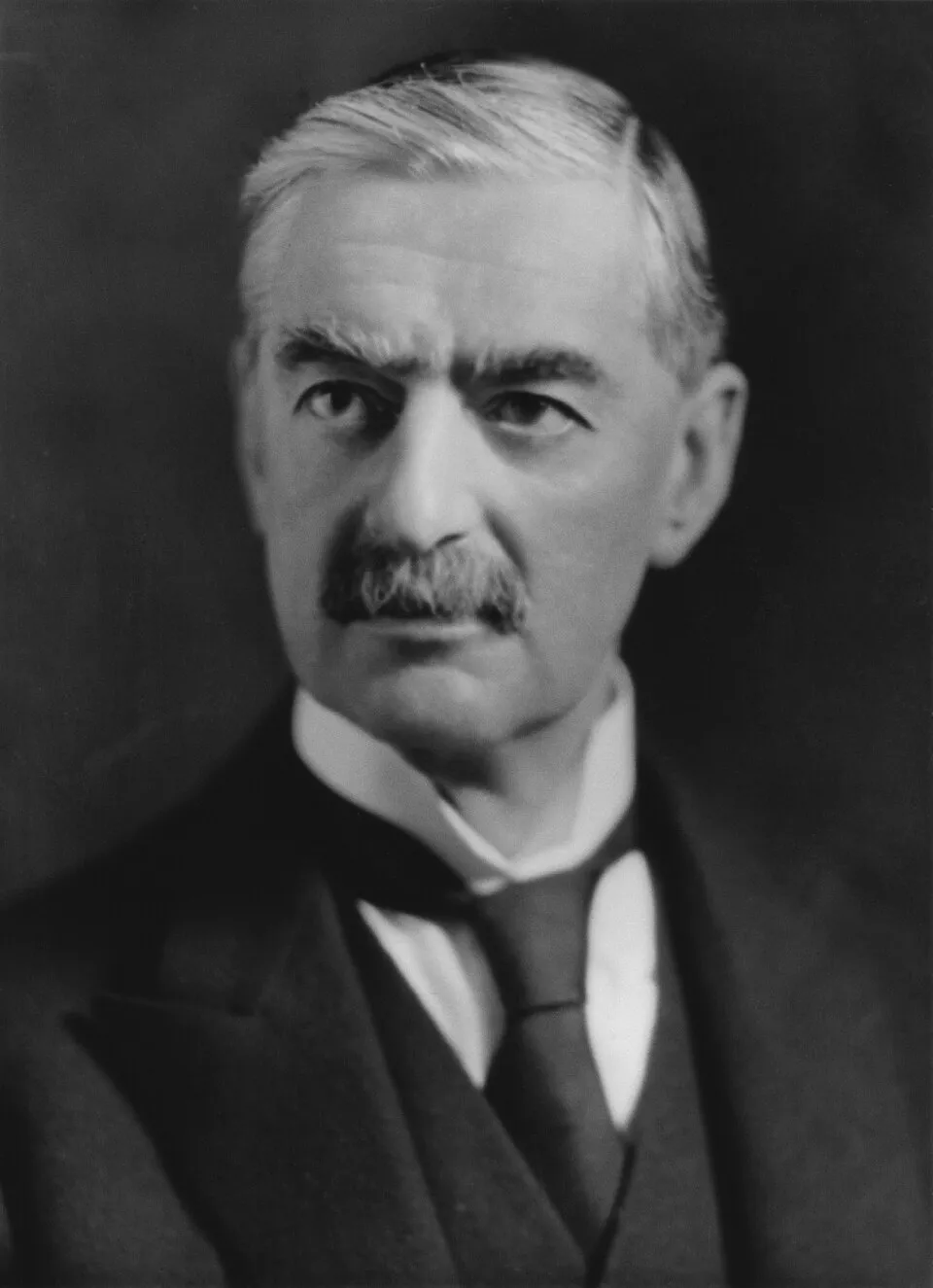
Appeasement is a term most frequently used to describe the UK government’s attempts to avoid a second great war with Nazi Germany in the 1930s. The talisman for this policy was Prime Minister Neville Chamberlain who held that post from 1937 until 1940 when he was succeeded by Winston Churchill.
Churchill was Chamberlain‘s great opponent to appeasement. He argued that the European fascist dictators Hitler and Mussolini were bent on war. Both of the latter men had ignored the Treaty of Versailles and had built their military forces to threatening sizes. Chamberlain’s foreign policy was essentially imperial and focused on the powerful British Empire. He had no wish to tackle Hitler and Mussolini. Churchill on the other hand saw from very early in the decade the growing threat of both Germany and Italy.
The Munich Agreement and the road to war
Chamberlain is perhaps best remembered for failing to stand up to Hitler in the 1938 Munich conference. The Nazis were threatening to invade the Sudetenland, a part of Czechoslovakia which had a very large population of people of German origin. Hitler argued that it should be part of the German Reich. Europe’s major powers, Britain and France, apart from Germany and Italy, strongly questioned this and when Hitler showed no signs of backing down agreed to meet with the Nazi dictator in a series of meetings in Southern Germany in September and October 1938. Chamberlain and the French had their final meeting with Hitler in Munich and a treaty was signed between the two sides, overseen by Mussolini which led to dismemberment of Czechoslovakia.
The Fuhrer had already sent troops into the Rhineland in March 1936, in direct contravention to one of the terms of the Treaty of Versailles and two years later marched into Austria, again riding roughshod over the terms of the Paris peace conferences in 1919. After the Munich treaty was signed, Hitler claimed he had no more territorial ambitions in Europe. Chamberlain returned to London in triumph with a piece of paper which guaranteed, as he said, ‘ peace for our time.’ A little over one month later the German government orchestrated a series of violent pogroms against the Jews of Germany and Austria. Less than five months later Hitler sent in his troops and took total control of the rump of Czechoslovakia which ceased to exist as a sovereign state. By this time Chamberlain recognised that he had failed and he gave the word to start our own rearmament in preparing for the forthcoming conflict. His championing of the growth of the Royal Air Force led to victory over the German Luftwaffe in the Battle of Britain in 1940 but had been preceded by the disaster of Dunkirk at the beginning of the summer when an ill prepared British expeditionary force was driven out of northern France.
Cliveden and the supporters of appeasement
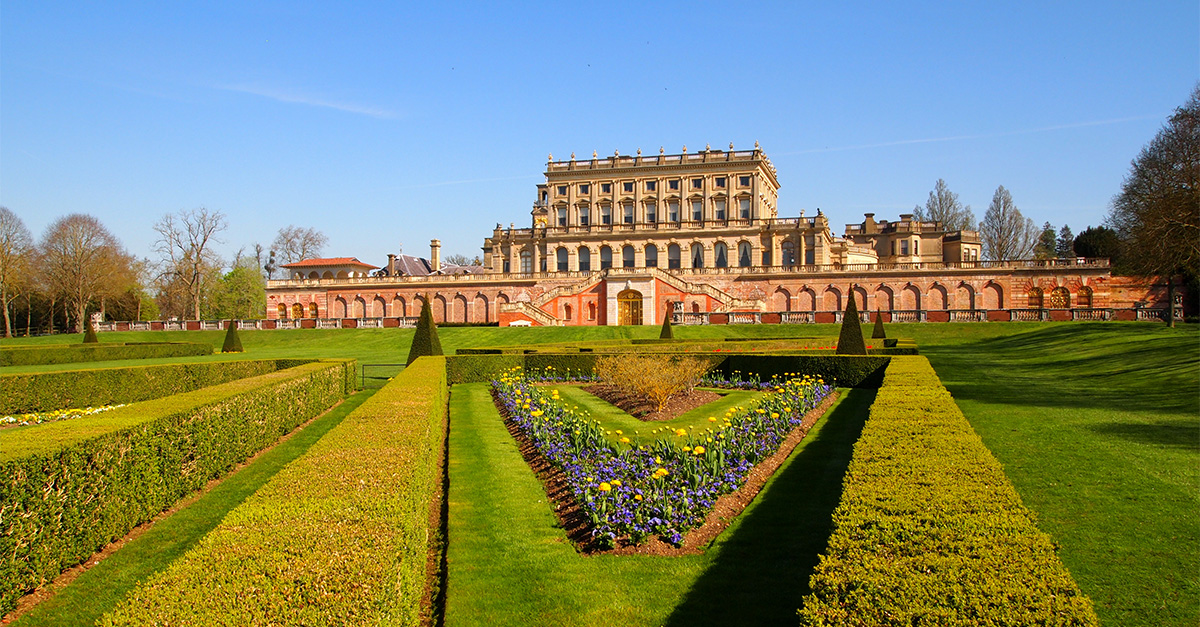
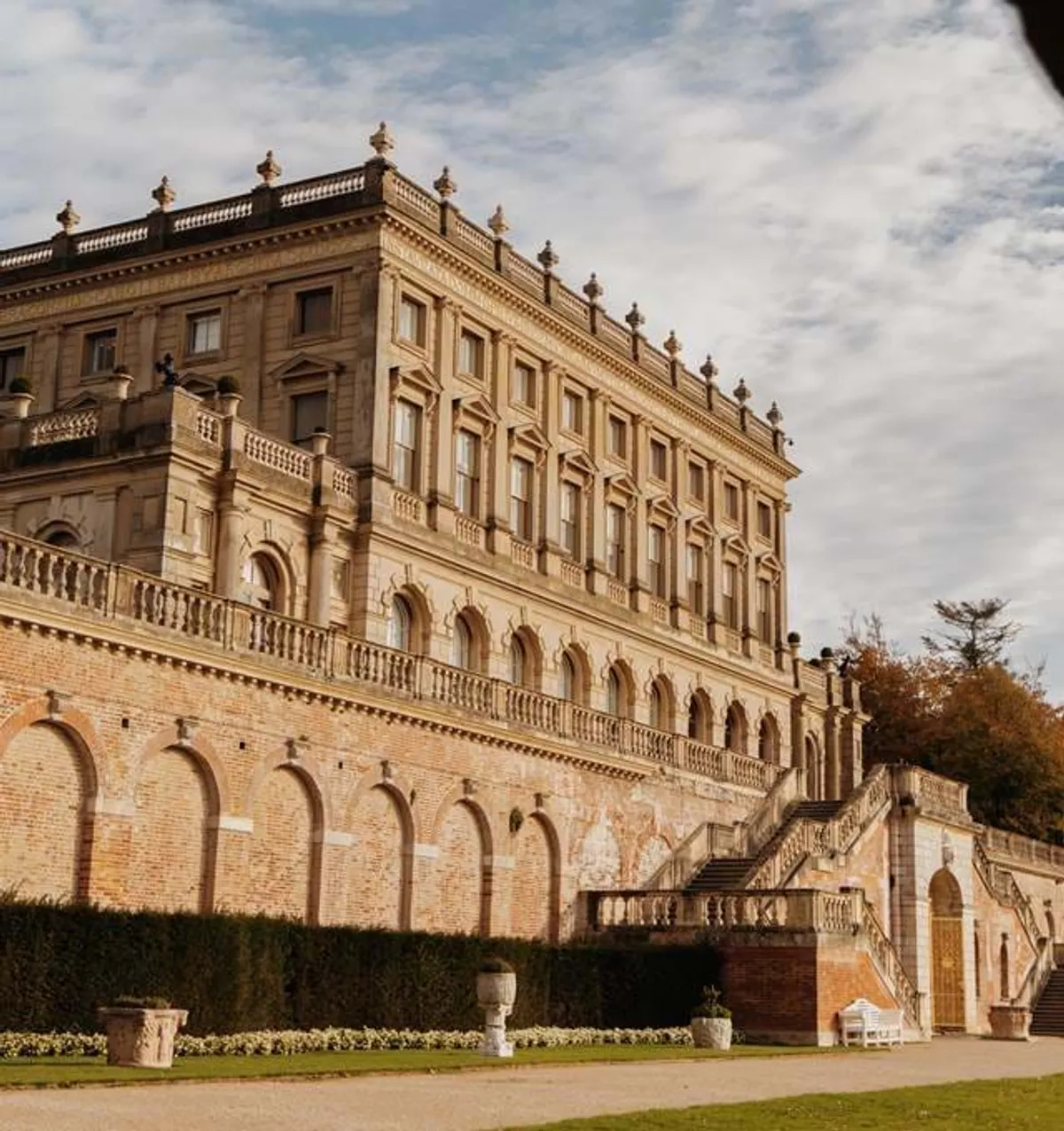
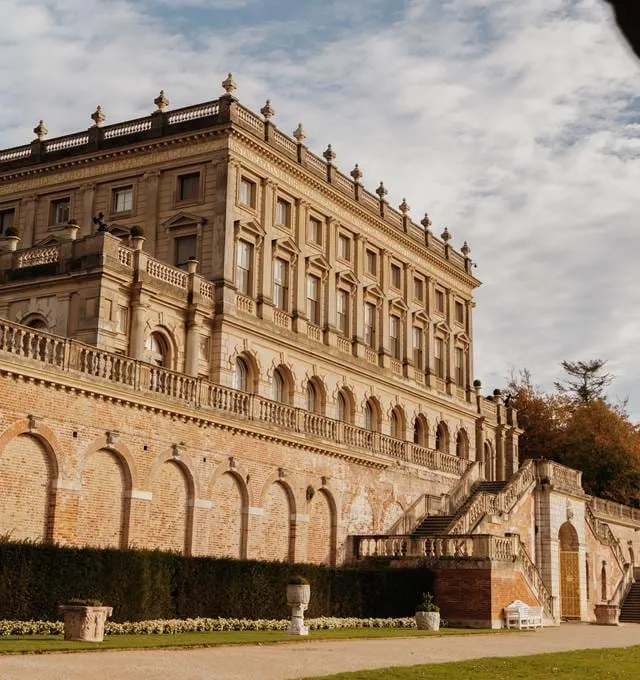
Although appeasement ended with the outbreak of the second world war, the way in which it was conducted makes fascinating reading almost a century later. There were many in Great Britain who sympathised with Nazi Germany and particularly the Nazis claim that they have been harshly treated by the Treaty of Versailles in 1919. Amongst the supporters of the Germans were a number of people who despised the French for their contributions to the peace treaties. Many of these were wealthy people and politicians who met on a regular basis at Cliveden House near Maidenhead during the 30s for weekend gatherings of tennis and croquet followed by cucumber sandwiches and political discussion. Chamberlain himself was an occasional visitor but the leader of the plotting was Nancy Astor, conservative MP for Plymouth Sutton. Astor was the first woman to take her seat in the UK Parliament. Amongst her strong allies were Philip Kerr, Lloyd George’s former secretary and later Lord Lothian, Geoffrey Dawson, editor of the Times newspaper, J. L. Garvin, editor of the Observer, Sir Neville Henderson, UK Ambassador to Nazi Germany, Lord Halifax, foreign secretary and the Prime Minister from time to time. An occasional visitor was Ribbentrop, Nazi ambassador to the UK.
Ribbentrop was recalled to Germany before the outbreak of war and became Hitler’s Foreign Secretary. He ended his days at the end of a rope in Nuremberg following the war crimes trials of 1946. The group of plotters became known as the Cliveden set and played almost a hands-on influence on government policy, aided particularly by the Times newspaper. They never quite reached a level where they might have been described as treasonous. Following the pogroms in Germany in November 1938, they began to reconsider their attitude towards the Nazis.
Even after the violent treatment of the Jews, which became known as Kristallnacht, Chamberlain tried to keep his anti-war policies going and in December 1938 a by election was held in Scotland which became a test of the appeasement approach. The ‘appeasement’ candidate in the Kinross and West Perthshire election was a member of the local landed gentry, William Sneddon and his opponent was the Duchess of Atholl who lost by a narrow margin. One policy dominated the lead up to the election and that was appeasement.
Newsreels, broadcasting and the press
In the years before the outbreak of war, the cinema Newsreels became the mouthpiece of the government. Sometimes, archive film was shown of, for example, the Spanish Civil War and the commentary was frequently tampered with to replace the real thing with words favourable to appeasement. All British newsreels suffered from this interference by the government.
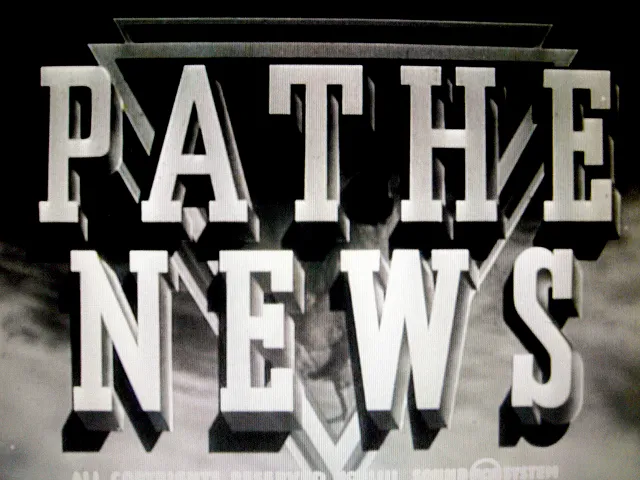
No such restriction affected viewers of the newsreels in the United States. For example, the Americans knew about the abdication crisis of 1936 long before British citizens because when American newsreels arrived in this country, they were immediately seized and the scissors came out. Similarly, political programmes on BBC radio were examined before they were broadcast and unfriendly (to the government) material erased. The right wing press was sympathetic to appeasement throughout the late 30s. Left-wing newspapers were often excluded from government Press briefings.
All this was controlled by a pair of civil servants, Sir Joseph Ball and Sir Horace Wilson. Ball published a regular News sheet TRUTH which was quite the opposite. In the opposition corner was the great satirist Claud Cockburn who published his own news sheet under the watchful eye of New Scotland Yard’s Special Branch. Cockburn flourished after the war, wrote a Hollywood film script, was visiting editor of Private Eye and made regular contributions to that magazine in the years that followed.
Many years later a superb television documentary was aired on, I believe, BBC Two. Before Hindsight told the whole ugly story of appeasement. It was directed by Jonathan Lewis and included amongst other presenters Leslie Mitchell, James Cameron and Jonathan Dimbleby.
Appeasement and The Blue Pencil
Even later, I wrote a novel about appeasement, The Blue Pencil (2012). The characters were in the main fictional but there were some real people spread through the narrative including Claud Cockburn, Philip Noel Baker and Klop Ustinov, the MI5 agent who was father of Sir Peter. I’ve just read it again in preparation for writing this. Fourteen years on and I’m still very proud of it.
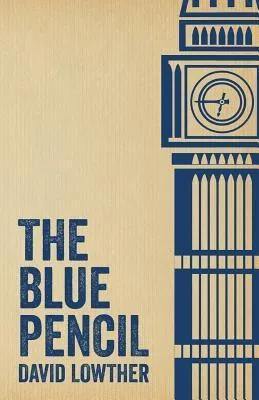
The Blue Pencil is available from the publishers Sacristy Press of Durham (DH1 9HT), from Amazon and all Ebook platforms and can be ordered from bookshops.