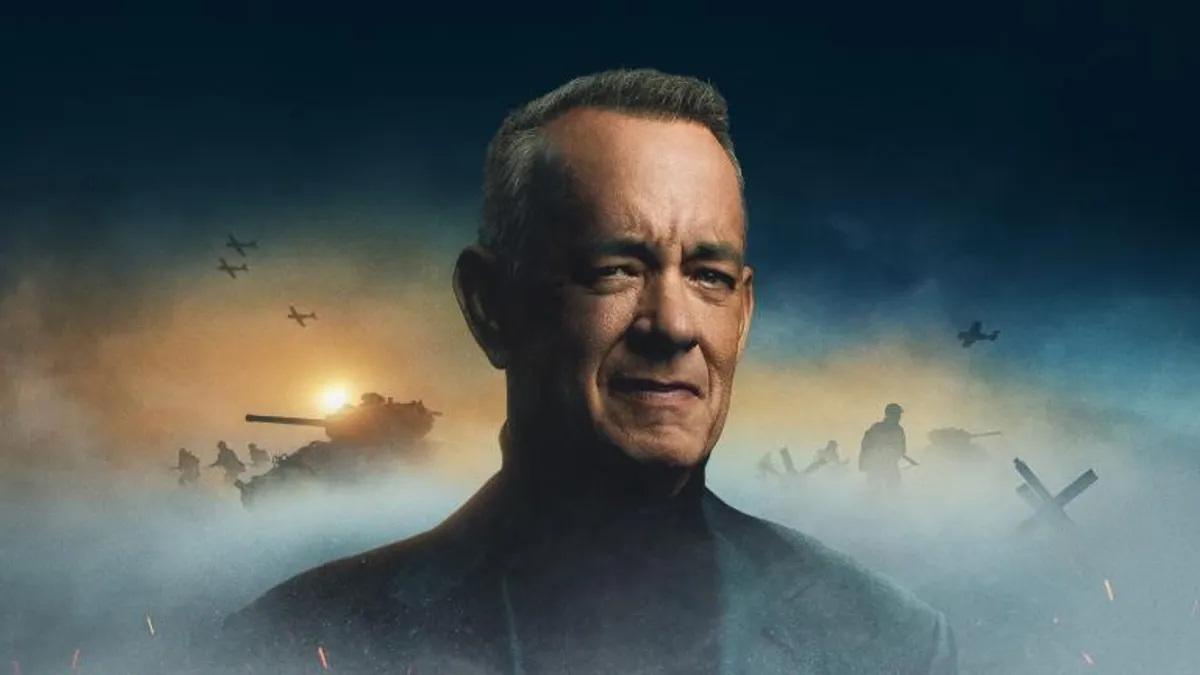
World War II with Tom Hanks
- David Lowther
- August 11, 2026
- 7 mins
- History Television World War Two
- franklin roosevelt poland sky history tom hanks winston churchill world war ii
World War II with Tom Hanks
World War II with Tom Hanks is a 20-episode television series first shown in 2026. It is the great actor’s fifth close screen involvement with the 1939–1945 conflict and follows the Oscar-winning film Saving Private Ryan (1998), and the television series Band of Brothers (2001), The Pacific (2010) and Masters of the Air (2024). Steven Spielberg was involved in the first four, having directed Saving Private Ryan and served as executive producer with Hanks on the next three television series. Spielberg appears to have had no official involvement with World War II with Tom Hanks.
In my opinion, it ranks alongside The World at War (1973) and The Vietnam War (2017) as one of the finest chronicles of the major 20th-century conflicts. Hanks introduces each of the 20 episodes and provides the narration throughout. Sadly, it is currently only shown in the UK on Sky and is not yet available on free-to-air channels. Sky’s History Channel appears, at the moment, to have the UK monopoly. I hope that changes in the future.
Twenty Episodes, Told by Topic
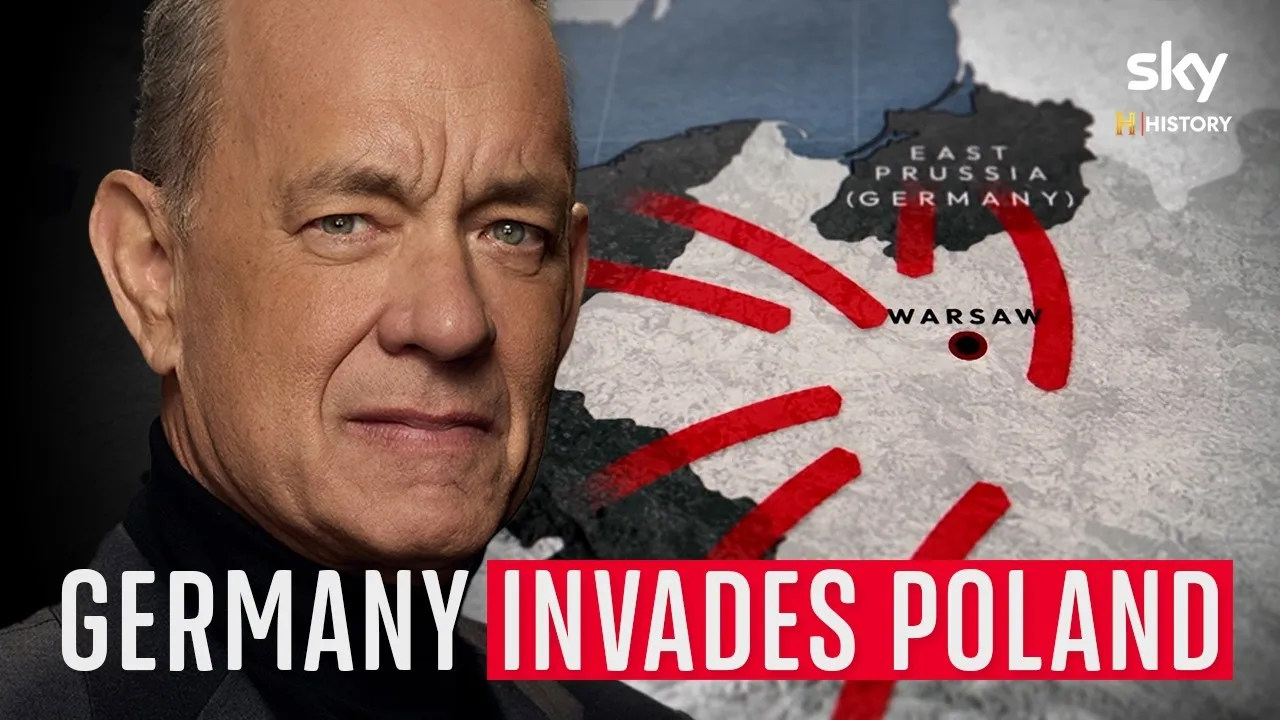
The story of the war unfolds not chronologically but by topic. For example, the first episode deals with the start of the war and the invasion of Poland, followed by episodes dealing with the Blitz, Barbarossa, Pearl Harbor, the war at sea, Stalingrad, the secret war and so on. The first episode, entitled “The Beginning”, naturally tells the story of the invasion of Poland on 1 September 1939.
Poland: A Country Erased
For someone like me who was born at the end of the war and who was aware of its horrors from a very young age, Poland seems to be the epitome of a country subjected to a totally meaningless invasion. Hanks pulls no punches in recounting the terrible cruelty inflicted on the Polish people, from the mass murder of the Polish elite—politicians, scientists, artists and, in general, people of influence—to the beginnings of the Holocaust, with Polish Jews forced into ghettos and starved to death.
I once had the privilege of meeting a Polish academic who was working at Durham University and who shared with me his mother’s diary. She had been a member of the Polish Home Army throughout the war, living daily under the threat of death. After the war she was imprisoned by the Polish communists and locked up for five years before being tried. She was sentenced to a five-year term but, since she had already been behind bars for that period, was immediately released.
Her diary told of a country that had only regained its sovereignty 21 years before the outbreak of war. Poland was bordered on the east by the Soviet Union and on the west by Germany. The Soviets and Germany agreed a non-aggression pact in August 1939 which gave Germany total control over the western half of Poland and the Soviet Union control over the eastern part. Poland ceased to exist.
An Even-Handed Account of Command
One of the features of the series is Hanks’s even-handed treatment of the many issues. He accepts that the German military possessed one of the most powerful and well-led armies in history and acknowledges that the initial contribution of the US forces when they entered the war in 1942 showed their lack of experience in battlecraft. Much of the early success of the Allies was due to the battle-hardened British and Commonwealth troops.
He also points accusatory fingers at those Allied generals whose standards fell below what was expected of them. Both Montgomery and Patton had their shortcomings, but their strengths are acknowledged in full, together with a recognition of their huge contribution to final victory. The American General Mark Clark, however, was, it seems, rightly accused of boosting his own personal reputation rather than getting the job done in the correct manner.
It felt throughout the latter part of the series that the Supreme Allied Commander, General Dwight Eisenhower, made very few missteps despite the enormous pressure he was under. His decision to postpone D-Day by 24 hours in 1944 and go the following day was one of the most crucial decisions that one man made during the conflict.
Churchill, Roosevelt and Stalin
The series also provides a very interesting portrait of the leaders of the war in the West. Until the end of 1942 this chiefly focuses on the relationship between British Prime Minister Winston Churchill and the American president, Franklin Roosevelt. Almost from the very beginning, when Churchill became premier in May 1940, the British war chief attempted to forge a close relationship with Roosevelt.
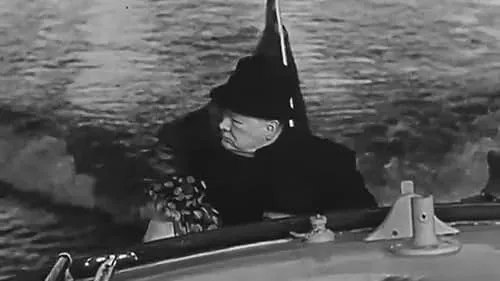
The situation was difficult, with the US people determined to stay out of the war and remain neutral. Churchill’s determination to involve America led to a number of transatlantic and other meetings between the two. Even before Pearl Harbor and the American entry into the war, this relationship was warm and productive.
Even though the two never truly fell out, by 1944 Roosevelt, while never growing close to Stalin, began to recognise the ever-growing exhaustion of the British and nurtured a closer relationship with the USSR. Although not mentioned in the series, the Yalta Conference of 1945 shaped the future of Europe as Stalin made it clear that the countries which the USSR liberated from German control would remain in the Soviet sphere of influence after the war, and Roosevelt showed little inclination to oppose this. By this time the US president was suffering from ill health, and this almost certainly explains his reluctance to oppose Stalin’s determination to seize control of Eastern Europe. A very short time after Yalta, Roosevelt died.
The Benefit of Historical Perspective
World War II with Tom Hanks was released in 2026, whereas The World at War was on television screens 53 years earlier. Similarly, William Shirer’s original classic account of the European war, The Rise and Fall of the Third Reich, was published in 1960. Richard Evans’s account of the European conflict was published between 2003 and 2008. One of the great strengths of the Hanks series and Evans’s books was that both had far greater detail of the conflict available to them than their predecessors. But all four accounts are themselves classics.
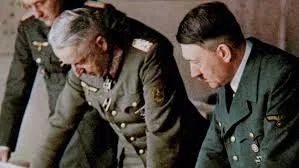
Amongst the plethora of film stock available to Hanks was a visual study of the decline of Hitler. The cheerful, often smiling Führer of 1940 was replaced by visions of a man leading the Nazis into catastrophe five years later. He seemed to have aged by almost 20 years since the start of the war and was clearly in no fit state to lead the Nazi resistance to invasions of their homeland from both east and west.
Final Thoughts
I feel certain that World War II with Tom Hanks has made a huge contribution to our understanding of the worst conflict in human history. At the end of The World at War, most of the closing episodes dealt with the immediate outcome, whereas Hanks takes it further and portrays the growing dominance of the USSR in Eastern Europe, ending with the Berlin Airlift and the next conflict: the Cold War.
For those with a Sky subscription, this series is available now on the History Channel. For those without, it is worth chasing down, perhaps on YouTube in the months and years to come.