Pressure
- David Lowther
- September 17, 2026
- 4 mins
- Film History World War Two
- d day dwight eisenhower james stagg operation overlord pressure
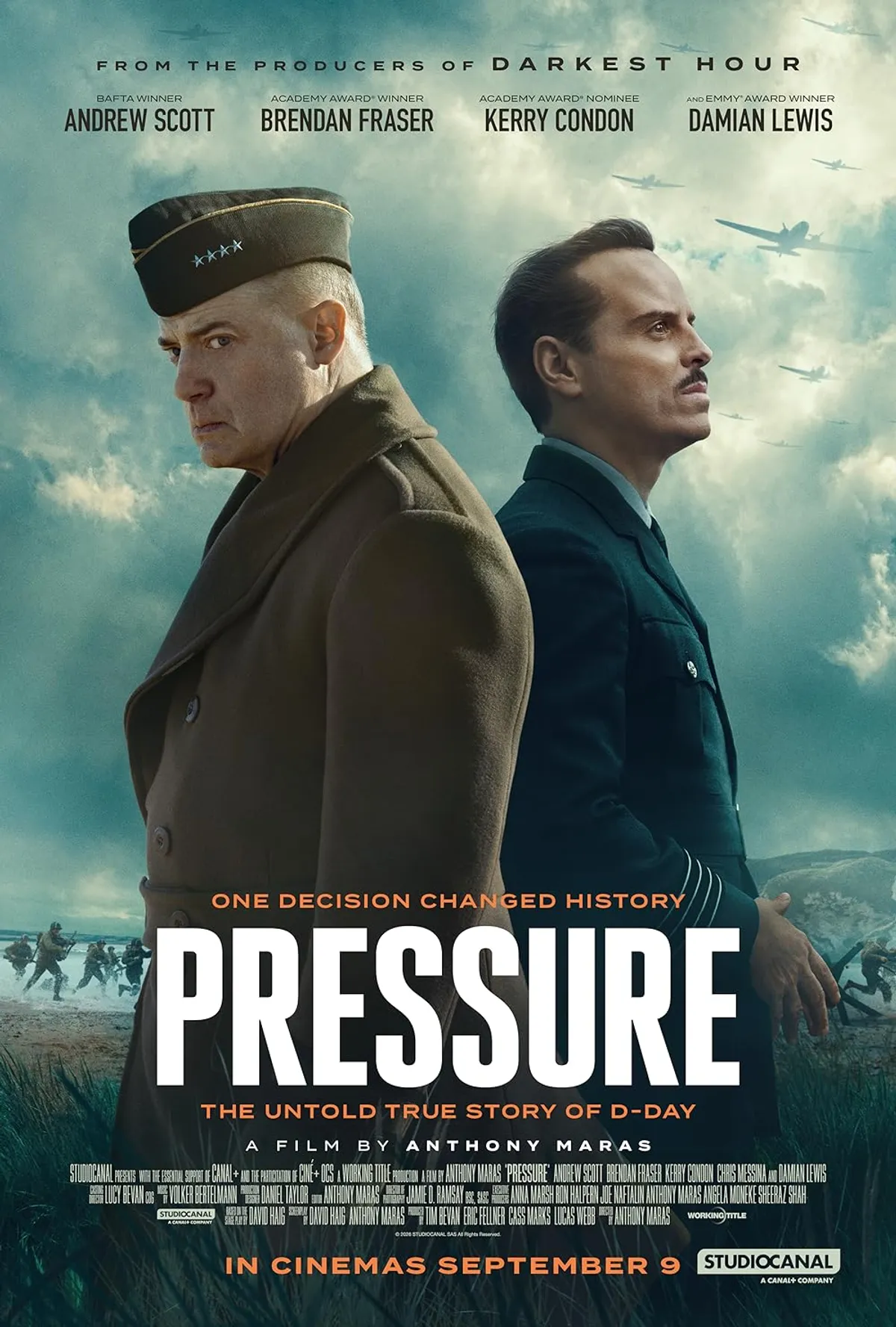
It was my pleasure earlier this week to see the movie Pressure. For those unfamiliar with the plot outline, it was about the final 72 hours before D-Day on June 6, 1944.
The Weather Before D-Day
For those not acquainted with the events of those three days, the story was about the uncertainty of the launching of Operation Overlord, the invasion of Nazi-occupied Normandy, and the doubts about whether to launch the attack on the planned day of June 5 or postpone it due to concerns about forecast storms blowing in from the Atlantic.
According to the Allied meteorological team, the storms would make it impossible to land on the beaches via landing craft, difficult because of low cloud to bomb planned targets and, because of the huge seas, a voyage across the English Channel with the invasion force would have been hugely uncomfortable.
In the run-up to Overlord, meetings were held by the planning group almost hourly. As the fateful day approached, the coordinating meteorology team, headed by RAF Group Captain James Stagg (wonderfully played by Andrew Scott), became increasingly concerned about the forthcoming storms.

James Stagg and the Debate Over Postponement
Stagg was convinced that the storms would be so severe as to necessitate the postponing of Overlord until perhaps June 18. Other meteorologists disagreed and proposed that they go ahead. This produced a furious debate as to whether to proceed, with many totally disagreeing with him and claiming that postponement would result in the loss of the war against Germany. This was something with which I disagreed and always have. But the war in Western Europe would have been greatly extended, resulting in many more casualties. Germany would have lost the war inevitably, probably six months or so after the actual date of surrender in May 1945, so inevitable was it that the Nazis would have been crushed by the Russians on the eastern front. The idea that the postponement of Overlord might have led to the defeat of the Allies added greatly to the tension of the film.
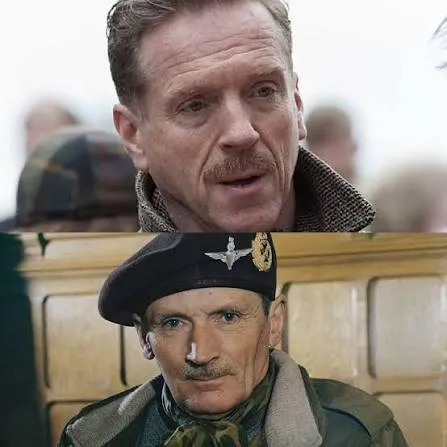
The raucous debates within the planning group made for great cinema. One of the chief critics of postponement was the commander of the land forces, General Bernard Montgomery, played convincingly by Damian Lewis.
Damian Lewis as Montgomery
Lewis doesn’t look like Montgomery and doesn’t sound like Montgomery, but believe you me, the way in which he addressed the planning committee was definitely Montgomery’s personality. Great soldier that he was, he was also an extremely awkward cuss and questioned Stagg every step of the way. This had a dramatic effect on the debates raging over the possible postponement.
Eisenhower’s Decision
The decision as to whether to proceed or postpone had to be made by the Supreme Commander of the Allied forces, General Dwight D. Eisenhower. In many ways this was the most dramatic moment of the film, as he weighed the evidence and considered the outcomes of his final decision, brilliantly done by the film director Anthony Maras (Hotel Mumbai). I felt, leaving the cinema, that this decision was the crucial moment of the whole movie.
Of course I knew what decision Eisenhower took, but many younger members of the audience probably didn’t, so I judged the film’s effectiveness on how it would strike people watching it in 2026 who were probably born much later than I, who made his first appearance on the planet six months after D-Day. I would guess that audiences knew a great deal about D-Day but very little about the indecision which preceded the launch on the 6th of June 1944.
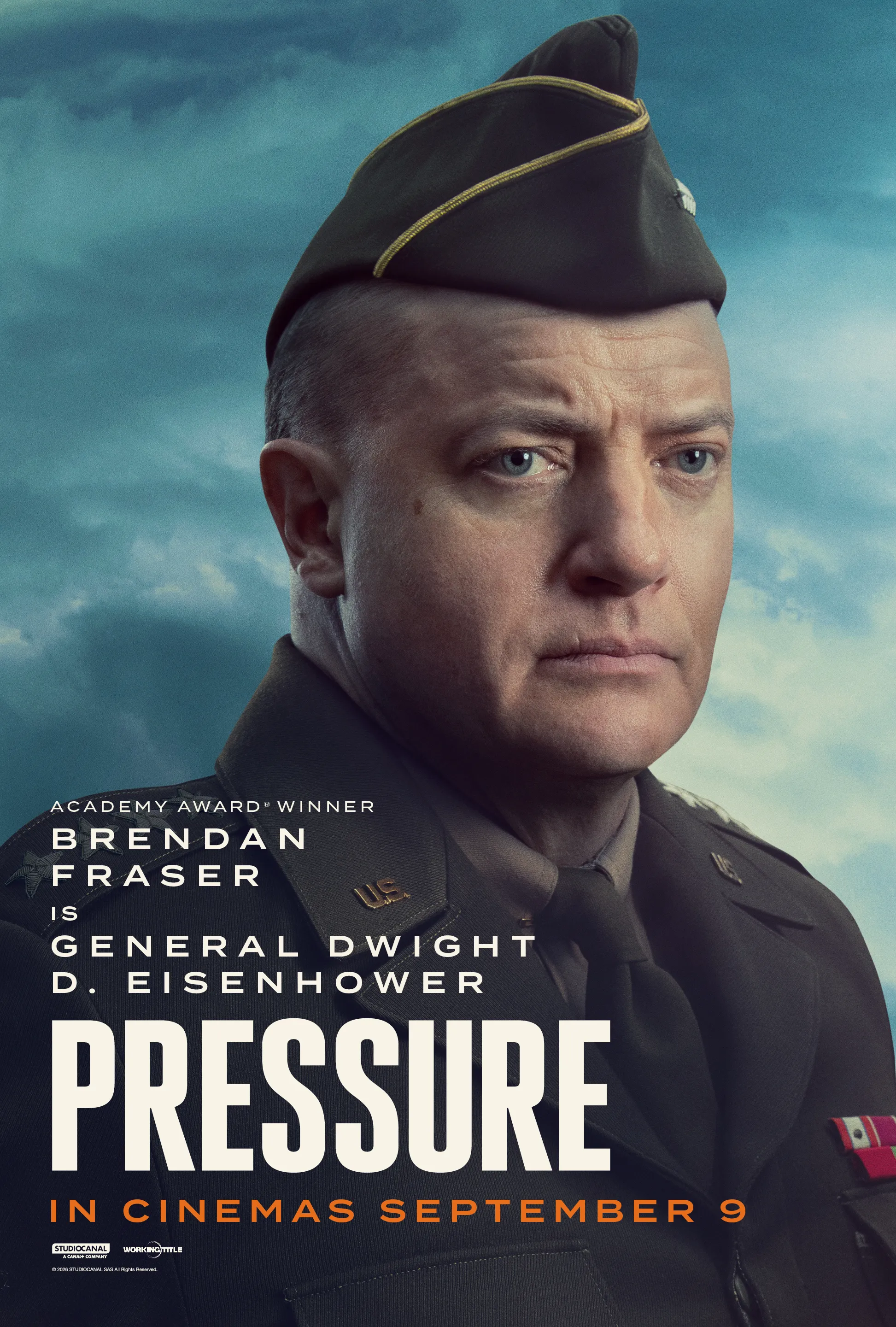
The decision as to whether to go or postpone was Eisenhower’s and Eisenhower’s alone, and a very fine performance from Brendan Fraser as the Supreme Commander gave some indication of the huge responsibility that rested on his shoulders. Fraser’s performance was immaculate.
Final Thoughts
There is very little action on the battlefield in Pressure, just a small sequence towards the end which showed the deadliness of the landings on the Normandy beaches. The focus was on the tension in the film and, for once, not the action. It was outstandingly directed and acted and also had a gripping script written by Maras and David Haig. It deserves to be seriously considered for honours when the awards season hits us after Christmas.