British Sport during the Second World War
- David Lowther
- April 6, 2026
- 6 mins
- History Sport World War Two
- cricket dennis compton eric liddell football rugby sport stanley matthews
BRITISH SPORT DURING THE SECOND WORLD WAR
The Second World War played havoc with Britain’s traditional sporting programme. Even before war was declared on 3 September 1939, plans were being made to suspend normal fixture lists and replace them with wartime competitions that reflected the restrictions of total war.
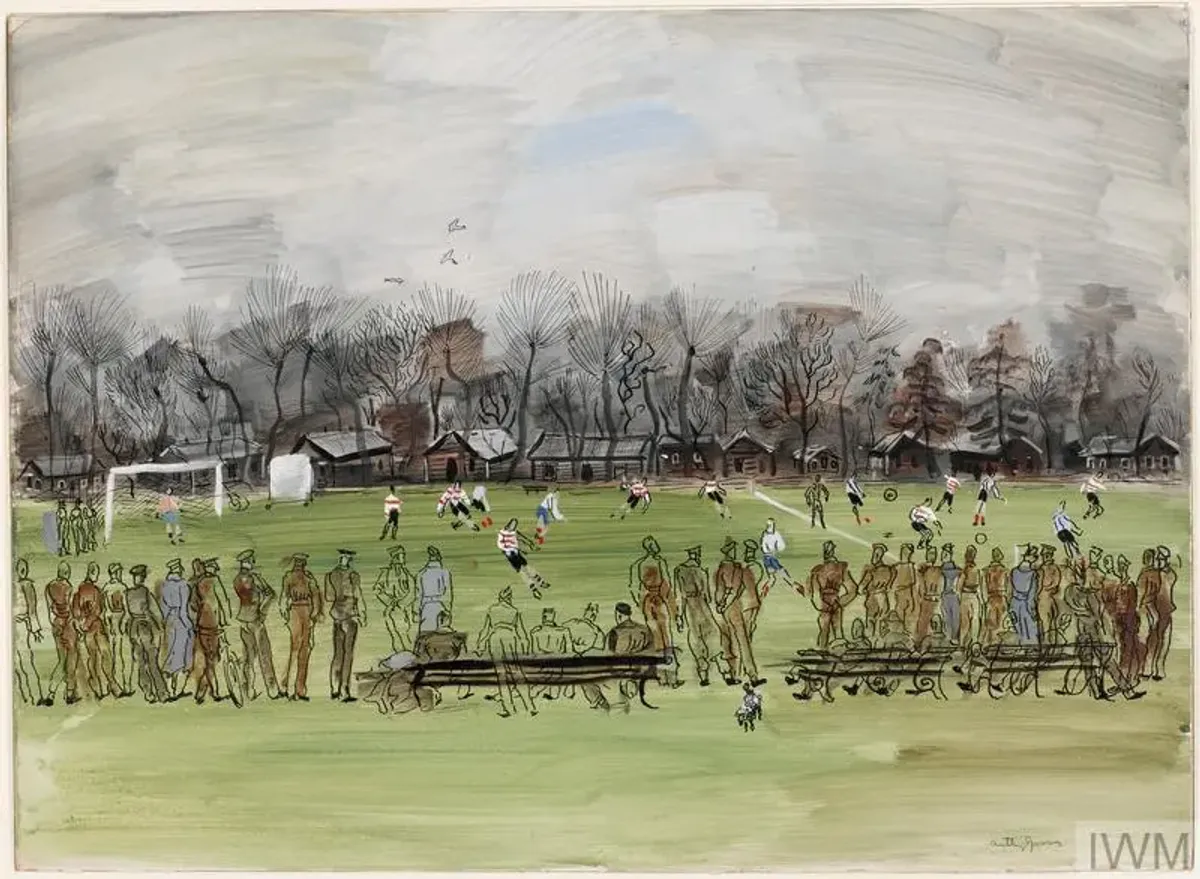
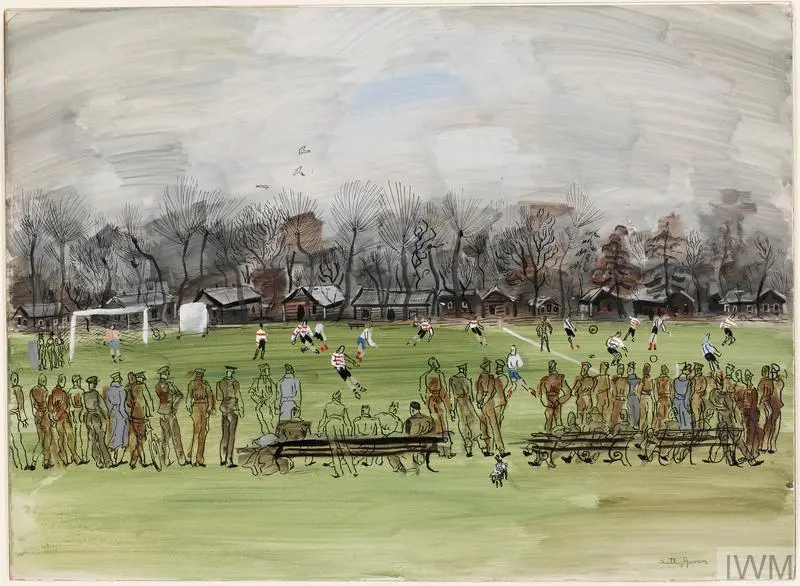
Football, Britain’s most popular sport, adapted quickest. The peacetime league structure gave way to regional divisions, with travel distances limited so that teams did not have to cross the country for a single match. Later in the war, unofficial internationals were staged with players drawn from those who were on leave or stationed at home in the armed forces. England played 29 of these matches, often in front of large crowds, though no official caps were awarded.
Cricket was disrupted just as sharply. The County Championship ended with the outbreak of war, and Test cricket disappeared until the summer of 1946, when India toured England. In the meantime, the game survived largely through matches involving the Services, which offered both entertainment and a sense of normality in very abnormal times.
Both codes of rugby were also affected. Rugby union had no formal league system in those days, but its regular programme largely fell away, while rugby league’s organised competition was suspended. Unofficial wartime matches continued, often between scratch teams, but the pre-war structure had gone.
Women’s sport received very little official attention in these years. Women’s football and cricket did continue, but mostly on an informal basis and without the recognition later generations would take for granted.
Sport Interrupted
For many competitors the most important story was not the suspension of championships, but the loss of precious years. Some never returned at all. League footballers and first-class cricketers were among those killed in action, and several outstanding sportsmen died while serving their country.
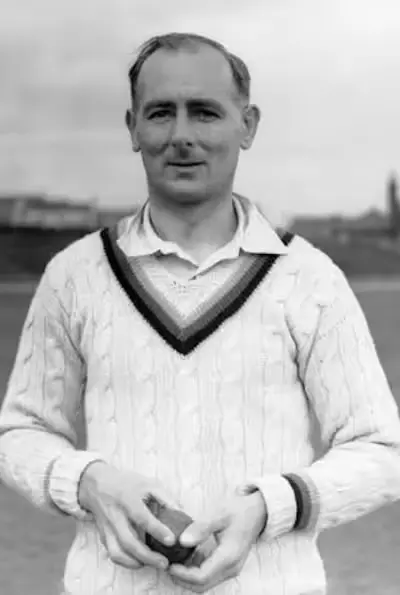
One of the most celebrated was Hedley Verity, Yorkshire’s great left-arm spinner. In 1932, playing against Nottinghamshire, he took all ten wickets in an innings for just ten runs, still one of cricket’s most astonishing records. He later served in the war and died of wounds in Italy in 1943.
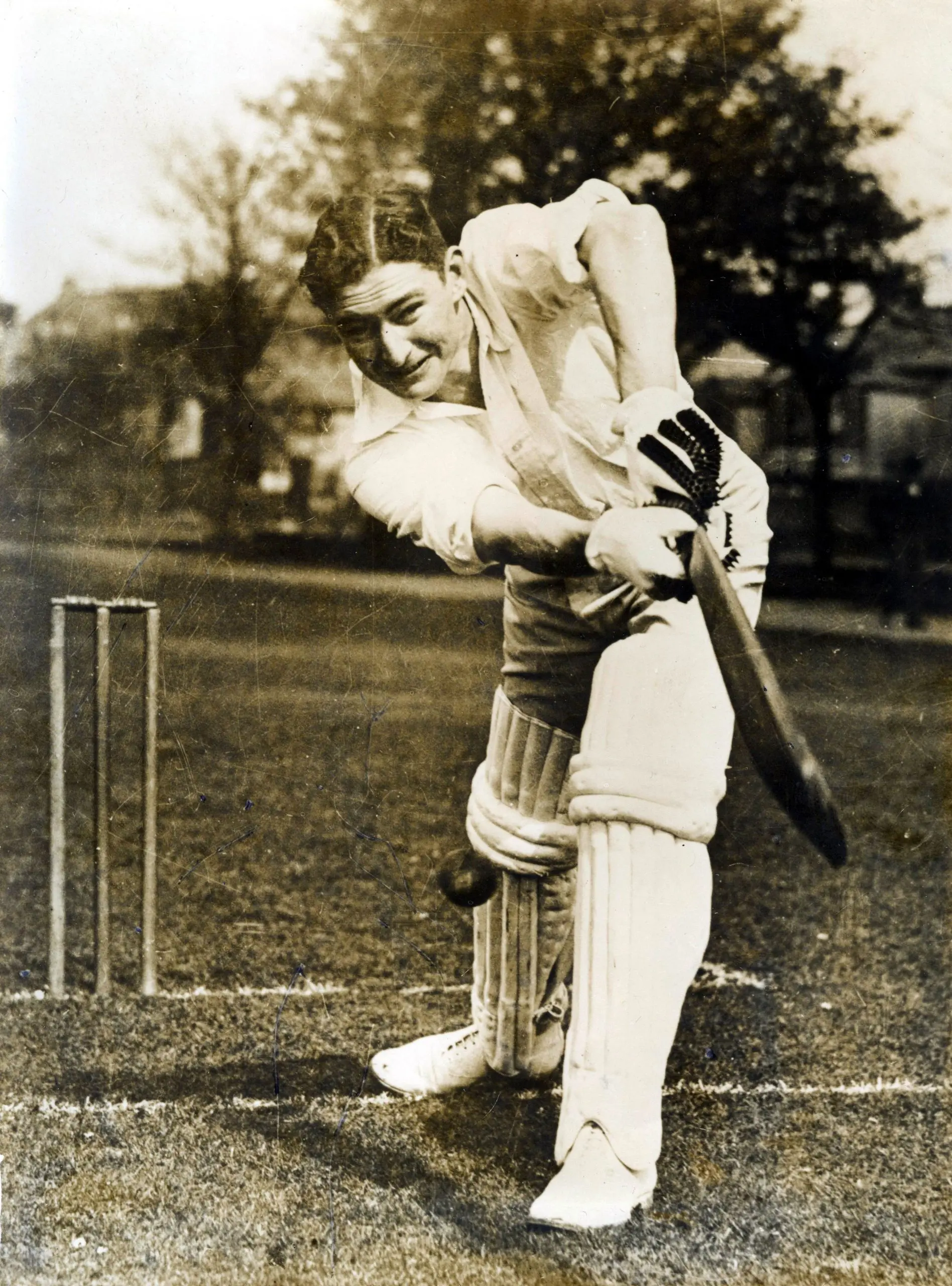
Another grievous loss was Maurice Turnbull, one of the finest Welsh all-round sportsmen of his generation. He played rugby and hockey for Wales and cricket for England, a rare breadth of achievement. Turnbull was killed by a sniper in Normandy in 1944. Cricket also lost men such as Ken Farnes of Essex, a fast bowler and Test player who died in an air crash in 1941. Verity, Turnbull and Farnes were only the most prominent names in a much longer roll of honour.
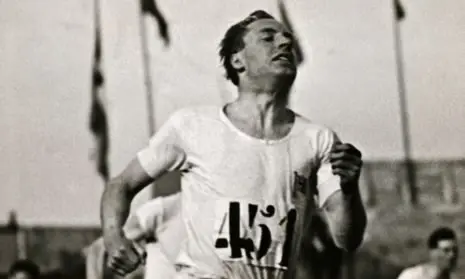
The most famous athlete to die during the war was surely Eric Liddell. Best remembered for winning Olympic gold in the 400 metres and bronze in the 200 metres at Paris in 1924, he was later immortalised in Chariots of Fire. Liddell also played rugby internationals for Scotland. He died in an internment camp in China in 1945, a tragic end to an extraordinary life.
Those Who Came Back
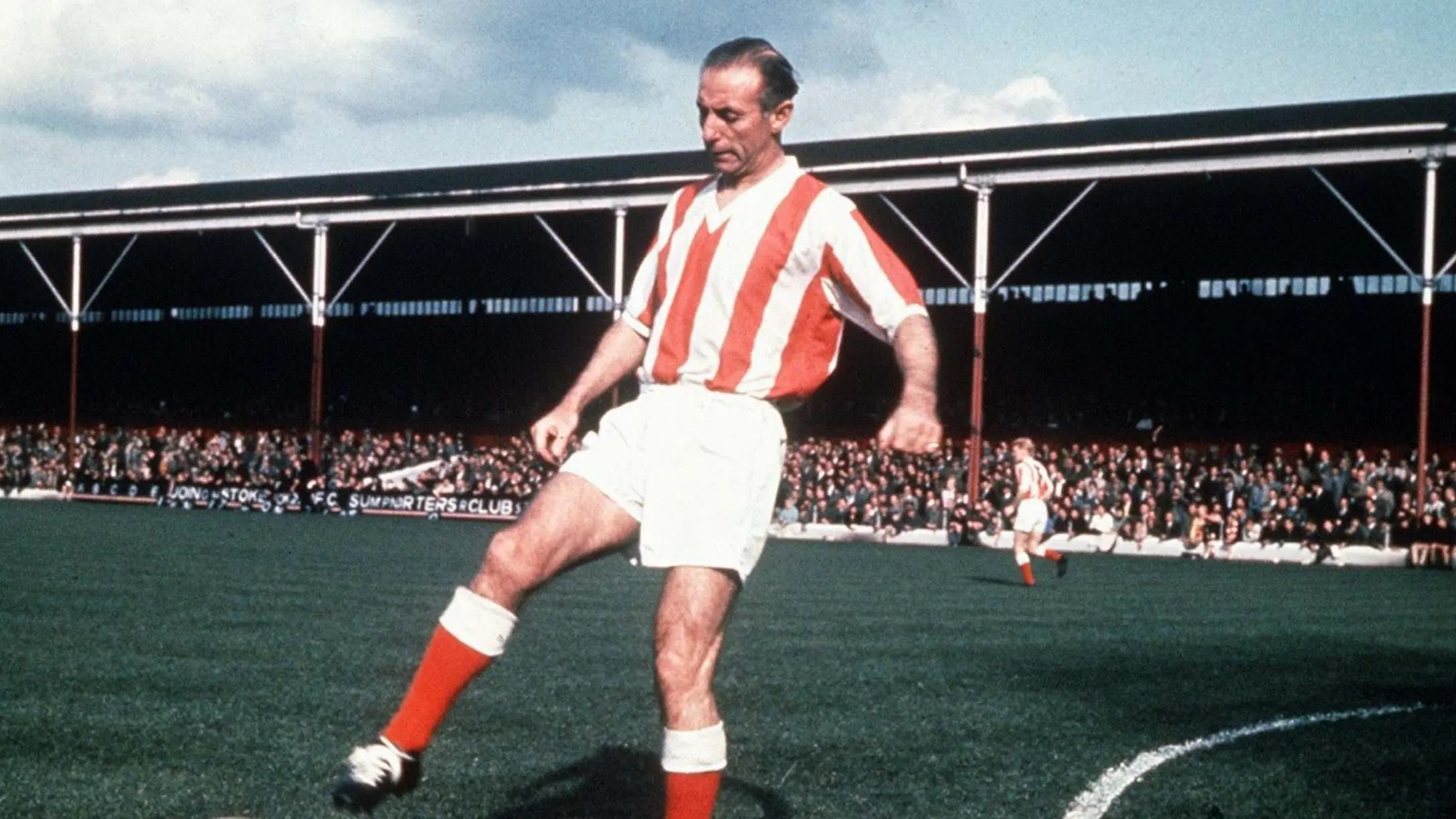
Some sportsmen survived the conflict but lost what should have been the best years of their careers. Others returned and achieved greatness all the same. One was Stanley Matthews, among the finest footballers England has ever produced. Born in Stoke-on-Trent, he played for Stoke City before the war and again immediately afterwards, later moving to Blackpool in 1947 before returning to Stoke in 1961. He eventually retired in 1965 at the age of fifty. By then he had played 54 times for England, his last appearance coming when he was 42, and in 1956 he became the inaugural winner of the Ballon d’Or.
During the war Matthews served in the RAF, based at Blackpool. Military life did not stop him playing. He appeared in wartime matches for Stoke, Blackpool and even once for Wrexham, as well as in unofficial internationals for England and, on one occasion, as a guest for Scotland.
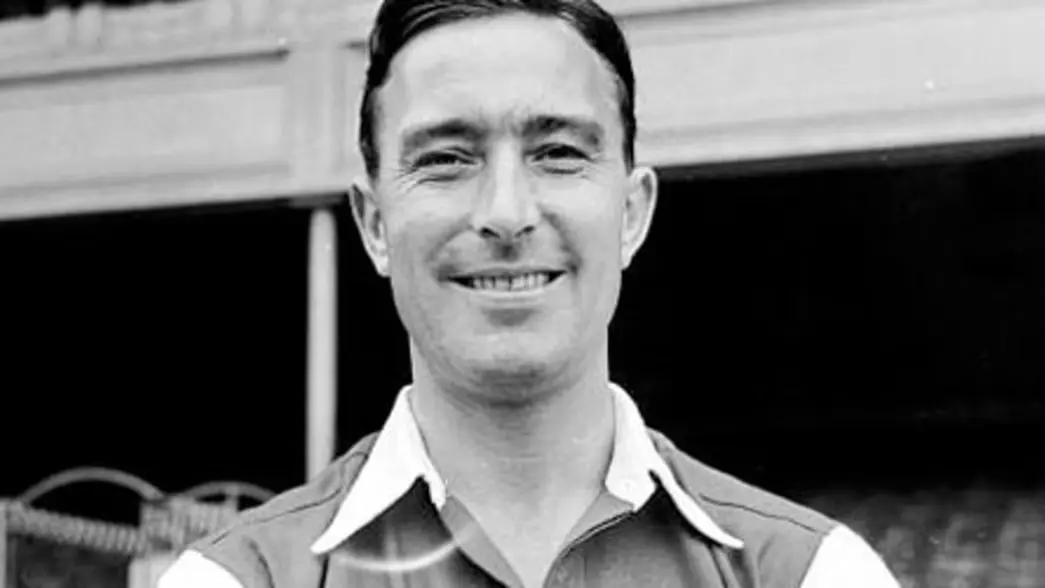
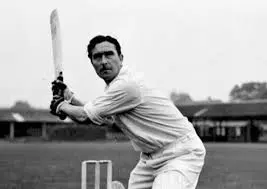
Then there was Dennis Compton, a true working-class hero and one of the great all-round entertainers of post-war British sport. He played cricket for Middlesex and England and football for Arsenal. As a schoolboy he scored a century for the elementary schools XI against the public schools at Lord’s. In cricket he played for England as a nineteen-year-old in 1937, and a year later became, and remains, England’s youngest Test centurion. The opposition was Australia at Trent Bridge.
Compton served in India during the war, but still found opportunities to play unofficial wartime football internationals. After the war he won the First Division title with Arsenal in 1948 and the FA Cup in 1950. Although he never won an official England football cap, he left a remarkable mark on both sports.
A Personal Remembrance
My final remembrance is of Wilfred Wooller, a great sportsman and, for me, a boyhood hero. He first played rugby for Wales while still at school, and in 1935 made a crucial contribution to the famous Welsh victory over the All Blacks at Cardiff Arms Park. He also played football for Barry Town and Cardiff City, and made his Glamorgan cricket debut in 1938.
Then came the war. Wooller was captured after the fall of Singapore in February 1942 and spent the rest of the conflict as a prisoner of war, enduring appalling treatment. He came out of captivity with one leg several inches shorter than the other. Even so, in the immediate post-war years he returned to cricket and captained Glamorgan to their first County Championship in 1948. Despite his injuries, he also played squash for Wales.
Of course, I have not been able to mention every notable sportsman killed, injured or deprived of his prime by the war. All those who served, whether they died on the battlefield or lived long enough to resume their sporting lives, deserve remembrance. To them all: thank you, and may you rest in peace.