Blood Sacrifice
- David Lowther
- July 9, 2026
- 5 mins
- Books World War Two
- blood sacrifice douglas jackson historical fiction warsaw ghetto warsaw quartet
Blood Sacrifice
A novel by Douglas Jackson
Douglas Jackson and the Warsaw Quartet
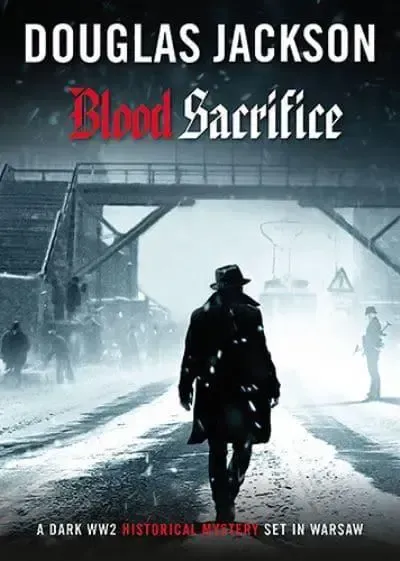
Douglas Jackson is a Scottish author and former journalist. He has written many books, almost entirely novels, across a wide range of genres. I had not read any of them until I came across his Warsaw Quartet. The first of these was Blood Roses; Blood Vengeance and Blood Enemy are books three and four, completing the set.
Blood Roses introduced many of the characters who appear in the other books in the series, although each novel introduces new characters. Blood Roses is an unusual take on the detective story and I found it gripping, but it is the next book, Blood Sacrifice, that shook me to the core with its portrait of depravity, cruelty, tragedy, sacrifice, courage and love.
The setting is, of course, Warsaw, capital of Poland and occupied by Nazi Germany since the autumn of 1939. Poland was bordered at this time by both Nazi Germany and Soviet Russia. It is a country that has been treated appallingly by its neighbours for centuries. Adversity produces heroes, and Poland has many in its history, perhaps most notably John Sobieski, King of Poland, who ended the attempt by Ottoman Turkey to overrun continental Europe when he drove the Sultan’s armies back from the gates of Vienna in 1683. And who can forget Lech Walesa, the trade unionist who stood up to the communist government and contributed to the downfall of the Soviet Union in 1991.
Jan Kalisz and the Warsaw Kripo
The main character in the first two novels of the Warsaw Quartet is Jan Kalisz, a Warsaw detective before the war, initially a fighter against the German invasion and, for the purpose of these four novels, back again as a detective working in the Warsaw Kripo. At first he has only a minor role to play in the Nazi administration, but the conquerors, being short of police staff, reinstate him to his pre-war role. Unbeknown to the Nazis, he is also a member of the Polish resistance.
The Warsaw Ghetto
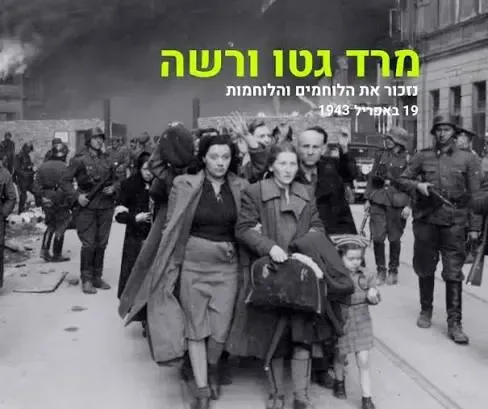
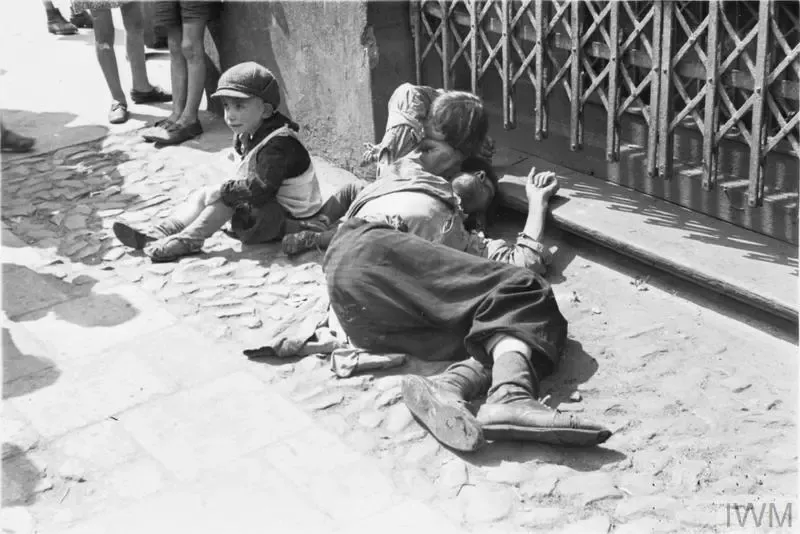
The focus of the narrative is the Warsaw ghetto, 1.3 square miles which housed 460,000 Jews. The ghetto had been established by the Nazis in November 1940. From 1942 onwards, men, women and children were transported from the ghetto to the death camp, run by the SS, at Treblinka.
Kalisz, under the guise of spending time in the ghetto investigating a murder, is in fact providing the resistance with weapons to rise up against the occupiers. Ordinary Poles, including many Jews, despise him for collaborating with the enemy. It would be impossible for him to declare his undercover work with the resistance without running the risk of betrayal.
In the late spring of 1943, only 50,000 Jewish people remained in the ghetto and that number fell daily as more and more people, especially children, died of starvation.
Resistance and Destruction
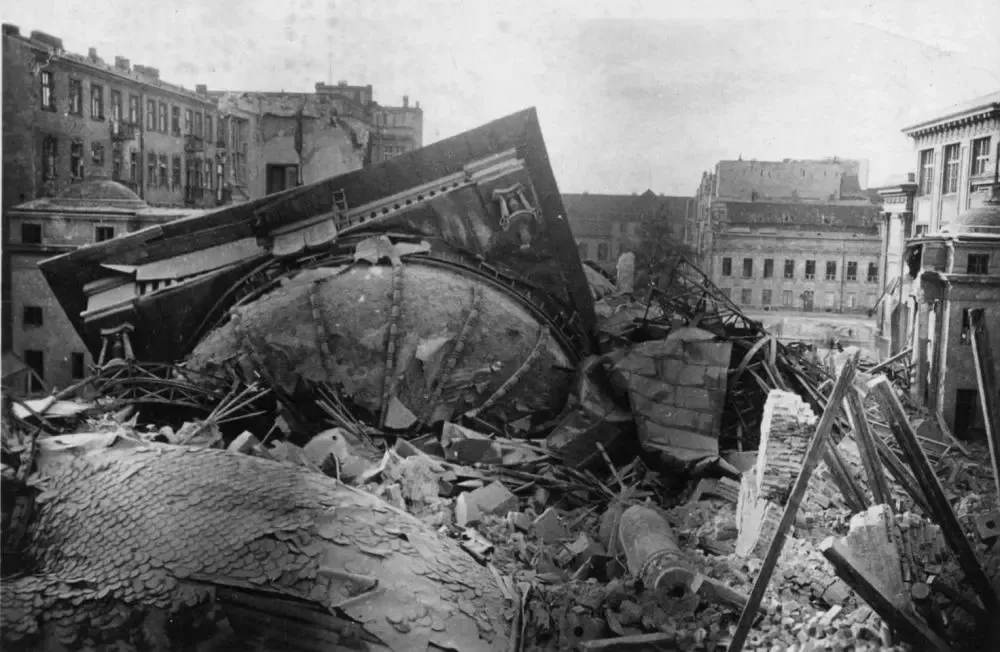
The rise of resistance in the ghetto inevitably ended in the death of most of the remaining Jews. Kalisz did all that he could to prolong the conflict through the provision of guns, bombs and other means of taking on the Nazis. Despite the courage of the resistance, inevitably a majority of the brave Jewish people died. The Nazis then completely destroyed the ghetto. A handful of survivors were sent to the death camps.
What happened to Jan Kalisz? You’ll need to read the book to find out, but I promise you a vast amount of excitement in the death throes of the Warsaw ghetto.
Remembering the Warsaw Ghetto
The Warsaw ghetto and the horrors associated with it have at times been described as forgotten history. Certainly this is not true of me. In my early twenties, I read Leon Uris’s superb novel Mila 18 (1961). Not many years later, I watched Andrzej Wajda’s masterly film Kanal (1957). Though it is set after the destruction of the ghetto, it uncomfortably shows the atrocious conditions in which resistance to the Nazis was fought out.
Lastly, there is Roman Polanski’s outstanding movie The Pianist (2002), which follows the trials and tribulations of a Jewish entertainer throughout the period of the Nazi occupation of Warsaw.
Final Thoughts
Blood Sacrifice is beautifully written and chillingly depicts the events of the late spring of 1943. The tireless research of the author helps to paint a picture of this atrocious tragedy. We owe it to Douglas Jackson for keeping alive the memories of this disastrous event.
The book is available from all good booksellers, from Amazon and as an e-book on the normal platforms.